The Benefits of Telehealth for Medication Management

Key Takeaways
No travel, no barriers. Meet with a psychiatric nurse practitioner from anywhere in-state, on a schedule that works for you.
Consistency drives results. Easier appointments mean fewer gaps in care — and better long-term outcomes.
Comfort leads to honesty. Familiar settings help you open up, which makes medication adjustments more accurate.
Find care that fits your identity. Telehealth expands your options beyond whoever is geographically closest.
It's a process, not a quick fix. Stay engaged, share side effects, and never stop medication without guidance.
Same clinical quality, more flexibility. Telehealth mirrors in-person psychiatry — just without the commute.
If you’ve ever felt stuck trying to figure out the right medication, you’re not alone. The process can feel overwhelming, expensive, and frustrating, especially when appointments are hard to schedule or when practitioners feel out of reach. Medication management ends up feeling like something you have to fight for instead of something that supports you.
Telehealth for medication management is changing how people experience psychiatry, especially if you’re balancing work, relationships, or major life transitions. Instead of trying to fit your schedule around appointments, care starts to fit around you. By working closely with a psychiatric nurse practitioner virtually, it’s easier to adjust dosages, switch medications, or talk through side effects.
The goal stays the same: finding a medication plan that supports your mental health in a way that feels sustainable.
For many young adults, queer clients, and perinatal individuals, telehealth also creates a more approachable entry point into care. It removes some of the logistical and emotional barriers that often make psychiatry feel out of reach. Read on to learn how telehealth for medication management makes psychiatry more accessible and consistent
Table of Contents
What Is Telehealth for Medication Management?
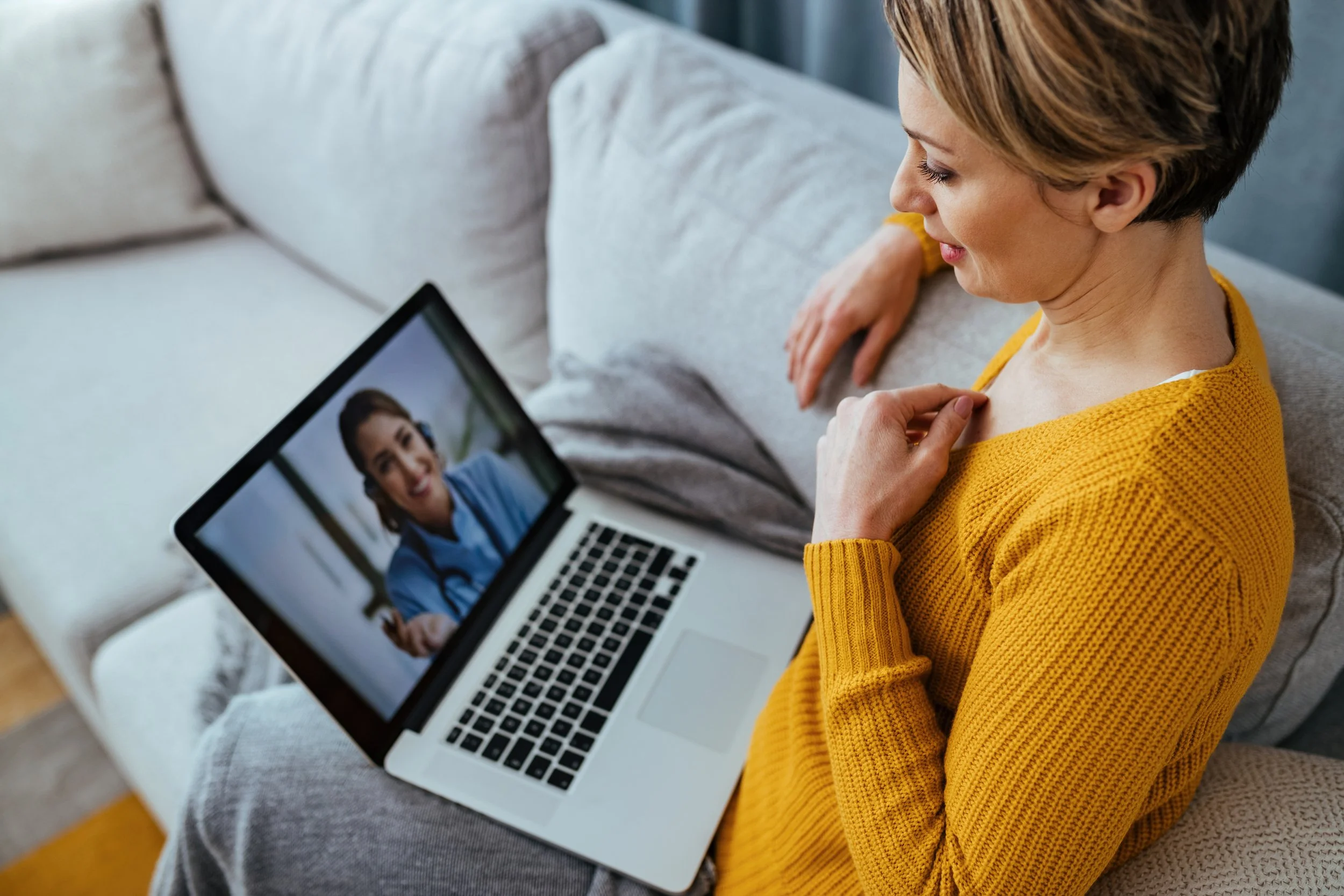
Telehealth for medication management allows you to meet with a psychiatric nurse practitioner through secure video appointments instead of having to rearrange your schedule, factor in travel time, and see someone in person. During a medication management telehealth appointment, you’ll focus on evaluating symptoms, prescribing medication, and making adjustments over time.
Your psychiatric nurse practitioner will help guide medication management decisions based on how you’re feeling, what side effects you’re experiencing, and what your goals are.
The structure mirrors in-person psychiatry, but the experience often feels more flexible and accessible.
Benefits of Telehealth for Medication Management
1. Access That Fits Your Life
Telehealth medication management removes geographic barriers. You’re no longer limited to psychiatric nurse practitioners who are within a short driving distance. This is especially important if you live in areas where psychiatry options feel limited or overwhelming. Additionally, it reduces travel time and allows you to do it at a time that works best for you.
2. More Consistent Care
Medication management works best when you stay connected with your nurse practitioner regularly. Telehealth makes it easier to schedule and attend appointments, which leads to more consistent adjustments and better long-term outcomes.
3. Reduced Stress Around Appointments
You don’t have to worry about commuting, parking, or rearranging your entire day when you can do it from the comfort of your own home, apartment, or another safe space. This ultimately lowers the barrier to showing up for yourself.
4. Better Communication
Many people find it easier to open up to a psychiatric nurse practitioner when they’re in a familiar environment. This comfort can lead to more honest conversations about side effects, mood changes, or concerns.
5. Support During Life Transitions
If you’re navigating pregnancy, postpartum changes, identity exploration, or major life shifts, consistent access to psychiatry care matters. Telehealth helps maintain that support without interruption.
6. Relationship-Based Care
Working with the same psychiatric nurse practitioner over time helps build trust. That relationship makes it easier to adjust medications in a way that actually reflects your experience.
Telehealth Medication Management vs. In-Person Medication Management
| Feature | Telehealth Medication Management | In-Person Medication Management |
|---|---|---|
| Access | Available anywhere in-state | Limited to a physical location |
| Scheduling | Flexible and easier to maintain | Often restricted |
| Follow-ups | More consistent | Easier to miss |
| Comfort | Familiar environment | Clinical setting |
| Time Commitment | Minimal | Higher due to travel |
Telehealth doesn’t eliminate the need for in-person care in every situation, but it does make ongoing psychiatry support more accessible. That accessibility directly impacts how consistent your care can be, which is one of the most important factors in medication success! When appointments become easier to attend, you’re more likely to stay engaged in your treatment and make adjustments over time with your psychiatric nurse practitioner.
How Telehealth Medication Management Works
Initial Evaluation: You meet with a psychiatric nurse practitioner to discuss your history, current symptoms, and what you’re hoping to change or improve.
Personalized Plan: Your psychiatric nurse practitioner walks you through medication options, including what each one does and potential side effects.
Starting Medication: Prescriptions are sent to your pharmacy, and you begin your plan with clear guidance.
Regular Follow-Ups: It’s so important that you consistently meet with your psychiatric nurse practitioner to review how things are going. These check-ins are where most adjustments happen!
Ongoing Fine-Tuning: Medication management is a process. Your practitioner helps you make small, thoughtful changes until things feel more stable.
Long-Term Support: As your needs change, your care plan evolves with you! Telehealth makes it easier to stay connected through those changes.
This reflects how psychiatry is meant to work: collaborative, ongoing, and responsive to your everyday environment and life experiences. Telehealth simply removes many of the barriers that make that level of care difficult to maintain.
- Skipping follow-up appointments once symptoms improve
- Not sharing side effects because they feel "minor"
- Expecting medication to work immediately without adjustment
- Assuming telehealth is less effective than in-person care
- Not asking questions about your options or concerns
- Discontinuing medication without practitioner guidance
Additional Information on Telehealth for Medication Management
Why Telehealth Matters for Identity-Safe Care
Finding a nurse practitioner who understands your identity can feel just as important as finding the right medication. Telehealth expands your options, so you’re not limited to whoever is closest geographically.
For queer clients and people navigating perinatal mental health, we understand that flexibility matters. You can choose a nurse practitioner who respects your experience and creates a space where you feel safe being honest. That honesty directly impacts how effective medication management becomes.
The Role of a Psychiatric Nurse Practitioner
A psychiatric nurse practitioner is trained to assess mental health conditions, prescribe medication, and provide ongoing support. In telehealth settings, they often become your main point of contact for medication decisions.
You’ll work together over time, adjusting your plan based on what you’re actually experiencing (not just what’s expected on paper).
Why Consistency Changes Outcomes
Medication management isn’t about getting it perfect the first time. It’s about making steady adjustments based on how your body and mind respond.
Telehealth supports that process by making follow-ups easier to maintain. Instead of delaying care when life gets busy, you can stay connected and keep moving forward.
If you’ve been waiting for the “right time” to explore medication support, telehealth makes it easier to start without overhauling your entire routine. For those individuals located in Oregon or Washington who want to learn more about telehealth medication management, explore your next steps with us at Talking Twenties.
FAQs on Telehealth for Medication Management
Is telehealth for medication management actually effective?
Yes! Telehealth provides the same clinical framework as in-person psychiatry. The main difference is accessibility: no travel is required. This often improves consistency and outcomes.
Can a psychiatric nurse practitioner prescribe medication through telehealth?
Absolutely. Psychiatric nurse practitioners are licensed to prescribe and manage medications online, depending on state regulations.
What if I don't feel comfortable on video calls?
It's okay to feel unsure at first. Many people adjust quickly once they realize the setting is more relaxed than expected. It can also help that these video calls are conducted in safe environments for you.
How often will I need appointments?
Early on, you may meet more frequently every 2–4 weeks. As your medication stabilizes, appointments usually become less frequent, and you'll end up meeting every 6–12 weeks.
Is telehealth private?
Yes. Sessions are conducted using secure platforms designed to protect your information.
Can telehealth replace in-person psychiatry completely?
Not always. Some situations may still require in-person care, but telehealth covers most medication management needs.
Final Thoughts on Using Telehealth Providers for Medication Management
If you’ve been thinking about medication support but feel unsure where to start, telehealth for medication management gives you a way in. You can connect with a psychiatric nurse practitioner who listens, adapts, and works with you over time, without adding extra stress to your life.
Medical Disclaimer: The content on this page is for informational purposes only and does not constitute medical advice, diagnosis, or treatment. Always seek the advice of your physician or other qualified health provider with any questions you may have regarding a medical condition.