52 Mental Wellness Activities to Transform Your Life

What are mental wellness activities? They are intentional practices—ranging from mindfulness and physical exercise to creative expression and social connection—proven to reduce cortisol levels, enhance emotional resilience, and foster a state of well-being.
Table of Contents
Mindfulness and Relaxation Activities
Practice Mindfulness Meditation
Mindfulness meditation trains your focus on the present moment through breath awareness and gentle observation, helping reduce stress, anxiety, and emotional overthinking.
Why It WorksIt calms the nervous system, reduces cortisol, and rewires brain patterns for greater emotional control and stress resilience.
- Simple and beginner-friendly
- Evidence-based mental health benefits
- Enhances focus and self-awareness
- Requires consistency for results
- Can feel difficult with racing thoughts
- Misunderstood as “clearing the mind”

Try Breathing Exercises (The 4–7–8 Method)
The 4–7–8 breathing method involves inhaling for 4 seconds, holding for 7, and exhaling for 8. It’s a simple, fast-acting relaxation tool that helps calm anxiety, lowers heart rate, and promotes mindfulness.
Why It WorksThe extended exhale activates the parasympathetic nervous system, reduces stress hormones, and refocuses the mind through rhythmic counting and breath control.
- Provides instant stress relief
- Easy to learn and practice anywhere
- Improves sleep and emotional regulation
- May cause lightheadedness if overdone
- Requires practice for comfort
- Not a substitute for therapy or medication

Grounding (The 5-4-3-2-1 Technique)
The 5-4-3-2-1 grounding exercise keeps you in the present moment by naming five things you see, four you can touch, three you hear, two you smell, and one you taste. It’s a quick reset for anxiety and dissociation.
Why It WorksIt shifts focus from racing thoughts to sensory awareness, reactivating the logical brain and calming the body’s stress response through real-time engagement with your environment.
- Fast, free technique you can do anywhere
- Works during panic or overthinking
- Builds mindfulness through the senses
- Can feel repetitive with overuse
- Some sensory triggers may be uncomfortable
- Takes practice to feel comfortable

Journaling Your Thoughts or Gratitude
Journaling involves writing thoughts or gratitudes to process emotions, gain clarity, and promote mindfulness. It’s a private, low-cost way to release stress and track emotional patterns.
Why It WorksWriting transforms emotions into words, calming the mind, organizing thoughts, and building awareness through reflection and gratitude.
- Encourages emotional release and clarity
- Builds mindfulness and gratitude
- Enhances self-awareness with resilience
- Can trigger difficult emotions initially
- Requires consistency for full benefit
- May feel forced or awkward at first

Try Progressive Muscle Relaxation
Progressive muscle relaxation involves squeezing and relaxing muscle groups from head to toe to relieve built-up tension, calm the body, and reduce anxiety through physical awareness.
Why It WorksIt activates the body’s relaxation response, releases stored tension, and shifts focus from racing thoughts to calming sensations, easing both mind and body.
- Reduces anxiety and muscle tension
- Promotes deeper sleep and relaxation
- Enhances body awareness and mindfulness
- May trigger emotions or lightheadedness
- Not ideal for trauma-sensitive individuals
- Can be hard to focus at first

Listen to Binaural Beats or Calming Music
Listening to binaural beats (where each ear receives slightly different frequencies) helps reduce anxiety, improve focus, and promote relaxation by engaging the brain through sound and rhythm.
Why It WorksRhythmic tones and soothing music slow mental chatter, activate the relaxation response, and shift attention from worry to sensory presence.
- Promotes relaxation and focus
- Enhances sleep quality and mood
- Complements meditation or journaling
- Results vary
- Some tracks may feel overstimulating
- Benefits depend on personal preference

Practice Guided Visualization
Guided visualization is a storytelling meditation where you follow a narrator or mental imagery—like walking on a beach or floating downstream—to relax, reduce anxiety, and cultivate calm focus.
Why It WorksIt redirects attention from anxious thoughts to soothing imagery, activating the relaxation response and building emotional safety through visualization.
- Ideal for beginners or restless minds
- Promotes deep calm and better sleep
- Builds positive emotional associations
- Some find scripted voices distracting
- Results vary by visualization skill
- Can create dependence on guided sessions

Focused Counting
Focused counting is a quick grounding exercise where you count in patterns or intervals—like by 3s or backwards from 200—to interrupt anxious spirals and restore mental control.
Why It WorksIt redirects attention from emotion to logic, engaging the brain’s rational centers and giving anxiety time to subside while promoting calm focus.
- Works instantly and anywhere
- Simple, discreet, and free
- Re-engages logic during anxiety
- Can feel repetitive or boring
- Doesn’t resolve root causes
- Not ideal for math-averse individuals

Do a Sensory Reset
Sensory resets use cold exposure—like holding ice, splashing cold water, or face dunking—to interrupt panic, dissociation, or anxiety by instantly grounding the body and mind.
Why It WorksCold triggers the diving reflex, slowing heart rate and activating the parasympathetic system while refocusing attention on strong physical sensations.
- Works instantly during panic or anxiety
- Simple, free, and science-backed
- Helps reconnect body and mind
- Effects are short-term and surface-level
- Can feel too intense for some people
- Impractical in some public settings

Try Short Meditative Naps
Short meditative naps blend rest and mindfulness—brief lying-down sessions or guided Yoga Nidra that calm the nervous system, reduce fatigue, and restore mental clarity.
Why It WorksThey trigger relaxation responses, balance brainwaves, and interrupt stress loops, helping the body reset and the mind regain focus and calm.
- Quickly eases anxiety and burnout
- Simple, restorative, and beginner-friendly
- Boosts mood, focus, and emotional balance
- Can cause grogginess if too long
- May disrupt sleep if done late
- Might feel like avoidance when overused

Mental & Emotional Skills
Cognitive Behavioral Therapy (CBT) Worksheets
CBT worksheets are structured tools that help identify, challenge, and reframe negative thoughts and behaviors linked to anxiety, stress, or depression through guided self-reflection.
Why It WorksThey slow thought patterns, reveal distortions, and retrain the brain to replace irrational thinking with balanced, evidence-based perspectives.
- Builds awareness of thought patterns
- Evidence-based and highly accessible
- Encourages structure and progress tracking
- Can feel repetitive or mechanical
- Might need guidance from a mental health professional
- May overwhelm users with ADHD or burnout

Self-Awareness Journaling (What Drains vs. Recharges You)
Self-awareness journaling tracks emotional and energy patterns—noting what drains or recharges you—to improve mindfulness, balance, and emotional well-being.
Why It WorksIt transforms vague emotions into clear patterns, helping manage burnout, set boundaries, and build compassionate self-understanding.
- Reveals energy and emotion triggers
- Builds mindfulness and self-compassion
- Prevents burnout through awareness
- Can lead to over-analysis or rumination
- Needs consistency to stay effective
- May surface uncomfortable insights

The Index Card Strategy
The Index Card Strategy is a portable mental health toolkit. It’s a deck of small cards listing coping steps, affirmations, or reminders to use during anxiety, panic, or depressive episodes.
Why It WorksIt externalizes coping tools, grounding the user through tactile focus while reducing cognitive overload when clear thinking is hard.
- Provides instant, tangible support
- Reinforces CBT/DBT coping skills
- Customizable for different moods or crises
- Needs regular updates to stay relevant
- May feel awkward or “childish” at first
- Can be misplaced or forgotten if not used often

Limit Caffeine, Alcohol, and Cannabis Intake
For some, reducing or eliminating caffeine, alcohol, and cannabis dramatically improves mood, focus, sleep, and overall emotional stability.
Why It WorksRemoving stimulants, depressants, or other drugs can stabilize mood, restore sleep cycles, and help the brain rebalance dopamine and serotonin naturally.
- Lowers anxiety and mood swings
- Improves sleep and energy levels
- Increases focus and emotional clarity
- Temporary withdrawal symptoms (fatigue, cravings)
- Social challenges or FOMO early on
- May require replacement coping strategies

Avoid Doomscrolling / Take Social Media Breaks
Doomscrolling—endlessly consuming bad news or social media—is sometimes described as “anxiety disguised as research.” Breaking the cycle can restore calm, focus, and emotional balance.
Why It WorksLimiting digital exposure reduces overstimulation and dopamine-driven stress, allowing the mind to rest, refocus, and regulate emotions naturally.
- Lowers anxiety and comparison stress
- Improves focus, sleep, and real-world presence
- Boosts mood and emotional clarity
- Initial boredom or restlessness
- May feel disconnected from updates
- Requires discipline to maintain balance

Learn to Say “No” and Set Healthy Boundaries
Boundary-setting is an essential form of self-care and protection. It’s the practice of saying “no” with compassion to prevent burnout, resentment, and people-pleasing.
Why It WorksIt reduces chronic stress, reinforces self-worth, and restores emotional balance by teaching you to honor your needs without guilt or shame.
- Prevents burnout and emotional fatigue
- Builds confidence and self-respect
- Improves relationships through clarity
- Triggers guilt or anxiety early on
- Some people may resist new boundaries
- Requires ongoing practice and reflection

Read Self-Help Classics like Feeling Good or Feeling Great
Written by Dr. David Burns, Feeling Good and Feeling Great are renowned CBT guides—practical tools for managing anxiety and depression through structured thought reframing.
Why It WorksBy teaching readers to identify and challenge distorted thoughts, these books promote lasting cognitive change, emotional balance, and improved mental resilience.
- Proven, evidence-based CBT techniques
- Affordable and accessible self-therapy tool
- Builds logic, awareness, and long-term coping skills
- Requires consistent effort and honesty
- May feel clinical or repetitive for some
- Less effective for trauma without therapist support

Talk Therapy or Group Support Sessions
Talk therapy and group support are widely recognized as core pillars of mental wellness. Individual therapy provides structured self-discovery and healing, while group sessions offer connection, validation, and shared growth.
Why It WorksTherapy offers professional guidance, accountability, and emotional release. Group support adds community, belonging, and perspective. Both reduce shame and normalize emotional struggles.
- Builds coping skills and emotional awareness
- Provides validation, structure, and safe expression
- Reduces loneliness through shared understanding
- Finding the right therapist or group can take time
- Can be expensive or inconsistent in quality
- Early progress may feel slow or uncomfortable

Replace Avoidance with Small Productive Actions
Avoidance behaviors—like doomscrolling or oversleeping—aren’t laziness but protective responses to emotional overload. The most effective antidote is starting small, acting before motivation arrives.
Why It WorksTaking small, immediate actions interrupts the avoidance-anxiety loop, builds momentum, and retrains the brain to associate effort with relief instead of fear.
- Builds motivation through action
- Reduces perfectionism and fear loops
- Boosts confidence and emotional regulation
- Progress can feel slow at first
- Requires daily patience and self-compassion
- Easy to slip back into avoidance during stress

The “Things I’m Looking Forward To” List
Writing a list of things you’re looking forward to helps refocus attention from despair to anticipation. By naming upcoming joys—big or small—you retrain the brain to expect positive experiences again.
Why It WorksIt activates anticipation and reward circuits, combats hopelessness, and rebuilds optimism by shifting focus toward what’s still possible and meaningful.
- Restores motivation and emotional balance
- Strengthens gratitude and optimism
- Easy, free, and fits any routine
- May feel artificial early on
- Requires consistency to feel natural
- Can feel difficult when mood is very low

Physical Activities
Exercise (Even Just Short Walks)
Consistent physical movement is one of the most effective and accessible ways to manage anxiety, stress, and depression. Even brief, gentle exercise can lift mood, stabilize energy, and restore focus.
Why It WorksMovement releases endorphins and dopamine, regulates stress hormones, and provides structure. Over time, it strengthens emotional resilience and reconnects mind and body through steady progress.
- Immediate relief from anxiety and low mood
- Improves sleep, focus, and confidence
- Free, flexible, and easy to sustain
- Motivation can lag during depressive episodes
- Overexertion may worsen fatigue or anxiety
- Benefits fade quickly if routine stops

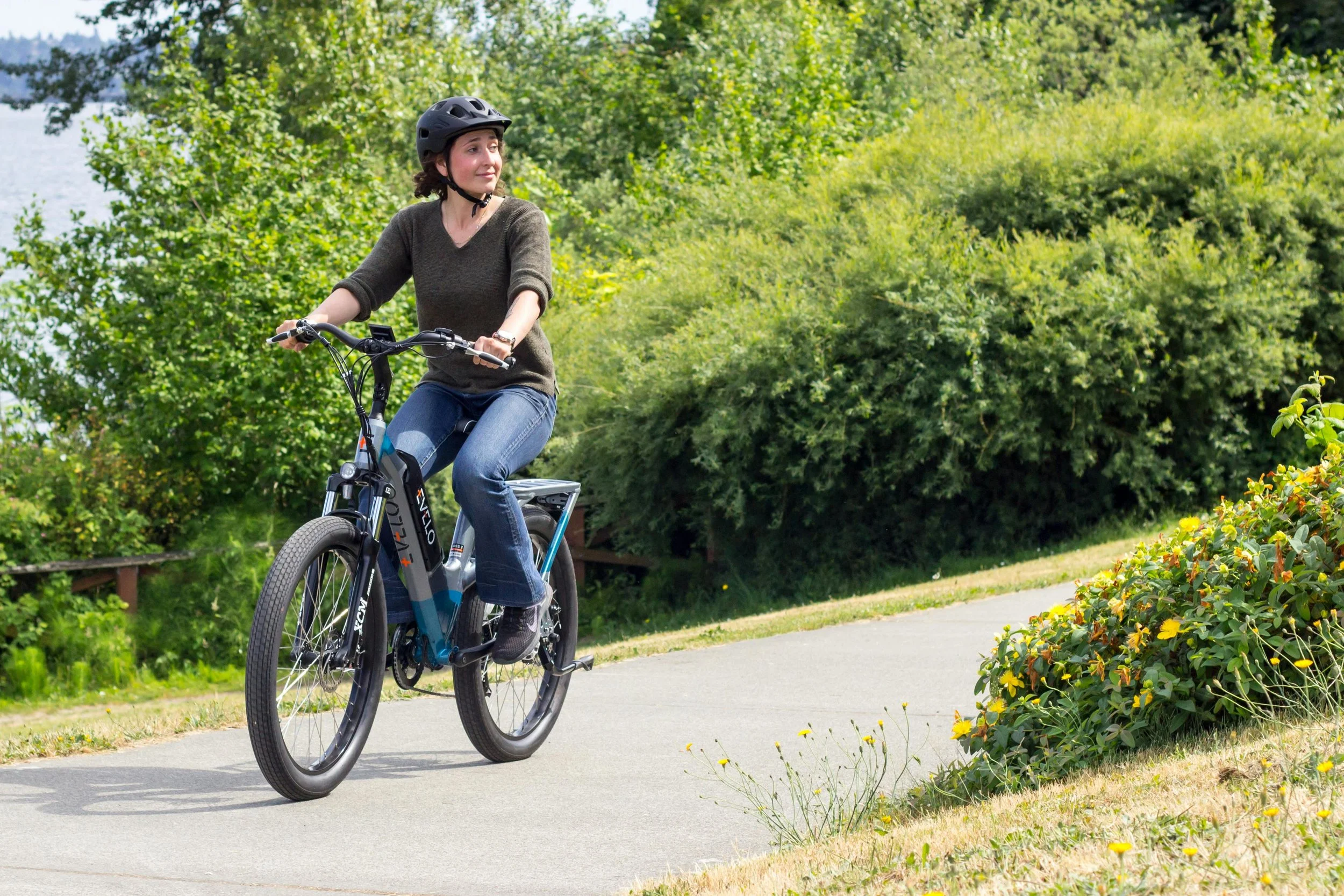
Light Outdoor Workouts (Hiking, Biking)
Gentle outdoor exercise, like hiking or biking, combines movement, sunlight, and nature exposure to calm the mind, lift mood, and restore energy. It’s widely praised as one of the most effective natural tools for managing anxiety, stress, and depression.
Why It WorksNature lowers cortisol, rhythmic movement releases endorphins, and the open environment restores perspective and mindfulness. Together, they anchor the body and quiet the mind.
- Boosts mood, focus, and sleep quality
- Combines physical and emotional healing
- Free, flexible, and deeply grounding
- Weather and safety can limit access
- Requires consistency and planning
- Can feel intimidating for beginners or those with low energy
Stretching or Yoga
Gentle yoga and stretching serve as moving meditations that reconnect mind and body. Practicing even a few minutes a day reduces tension, calms the nervous system, and fosters emotional regulation through breath and awareness.
Why It WorksFocused breathing and mindful movement activate the parasympathetic nervous system, releasing physical and emotional tension while teaching the body to feel safe and calm again.
- Reduces anxiety, tension, and intrusive thoughts
- Builds body awareness and emotional resilience
- Accessible, free, and sustainable for all fitness levels
- Emotional releases can feel intense for some
- Starting may feel intimidating for beginners
- Benefits require steady, consistent practice

Martial Arts for Mental Wellness
Practicing martial arts combines mindfulness, movement, and discipline into a structured, empowering routine. It doesn’t replace therapy, but it helps manage depression, anxiety, and stress by rebuilding confidence, emotional control, and connection.
Why It WorksTraining channels energy into focus and self-mastery. Through repetition, community, and facing controlled stress, it strengthens both mental and physical resilience while quieting the mind.
- Builds discipline, confidence, and routine
- Teaches calm under pressure and emotional regulation
- Provides community and belonging
- Risk of injury or overtraining
- Quality varies by instructor or gym culture
- Financial requirements for class fees

Swimming for Relaxation and Mental Health
Swimming is another exercise that acts as moving meditation, combining breath control, rhythm, and sensory calm to relieve anxiety, ease depression, and release physical tension. The water’s weightlessness soothes the body while the repetitive strokes quiet the mind.
Why It WorksRhythmic breathing activates the parasympathetic nervous system, water immersion provides sensory isolation, and steady motion produces endorphins and mental clarity. It’s exercise and mindfulness in one.
- Deep relaxation and reduced anxiety
- Full-body, low-impact exercise
- Enhances sleep, focus, and mood stability
- Requires pool access and motivation
- Possible chlorine sensitivity or fatigue
- Can feel isolating without community or routine

Dancing Freely to Music at Home
Free, unstructured dance—alone, to any music that resonates—is described as emotional release in motion. It helps discharge stress, ease anxiety, and reignite joy through movement, rhythm, and presence.
Why It WorksSpontaneous movement resets the nervous system, breaks freeze responses, and releases endorphins. The rhythm and embodiment shift attention from thoughts to sensations, turning emotional tension into expression.
- Immediate stress and mood relief
- Boosts confidence and body connection
- Free, creative, and accessible anywhere
- Motivation can be hard during deep depression
- May surface strong emotions
- Self-consciousness can block full release initially

Body Grounding Through Breath and Heart Awareness
Body grounding focuses attention on internal sensations—breath, heartbeat, or muscle tension—to calm the nervous system and reconnect mind and body. It’s often practiced as a first response to anxiety, panic, or overwhelm.
Why It WorksSlow, rhythmic breathing activates the vagus nerve, lowering heart rate and cortisol. Feeling the heartbeat or body tension redirects awareness to the present, breaking panic loops and restoring a sense of safety.
- Fast, portable way to calm anxiety and panic
- Builds emotional regulation and self-awareness
- Free, simple, and effective with consistent practice
- May feel ineffective or frustrating early on
- Focusing on the body can briefly heighten anxiety for some
- Works best when practiced regularly, not just in crisis

Running for Mental Health
Regular running—especially short, consistent jogs or weekly 5Ks—acts as a powerful stabilizer for anxiety, stress, and depression. It provides structure, releases tension, and restores a sense of control and self-trust.
Why It WorksRunning burns off stress hormones, releases endorphins, and builds emotional regulation through physical rhythm and effort. It reconnects body and mind, turning motion into mental clarity and calm.
- Reduces anxiety and depressive symptoms
- Builds confidence, discipline, and motivation
- Improves sleep, focus, and overall energy
- Hard to start during low-motivation periods
- Injury risk or overtraining burnout
- Requires access to safe running routes

Sauna and Steam Bath Therapy
Regular sauna or steam sessions offer deep relaxation, reduced anxiety, and improved mood through controlled heat exposure and mindful recovery. Users describe it as a “reset button” for the body and mind—a space where tension dissolves and calm returns.
Why It WorksHeat triggers endorphin release and lowers cortisol, while the cooldown activates the parasympathetic nervous system. The cycle of gentle stress and relaxation trains resilience and mimics meditation for the nervous system.
- Reduces anxiety, muscle tension, and stress
- Improves sleep and post-session mood
- Builds resilience to discomfort and supports calm
- Dehydration or fatigue if overused
- Not suitable for some heart conditions
- Requires consistent access for lasting benefit

Cold Showers for Anxiety and Emotional Reset
Cold showers are used as quick, physical grounding tools to calm anxiety, sharpen focus, and lift mood. The cold shock resets adrenaline and triggers endorphins, creating a mix of alertness and peace often described as an “instant reboot.”
Why It WorksCold exposure activates the dive reflex, slowing heart rate and reducing adrenaline. It boosts dopamine and endorphins, shifts the body into parasympathetic calm, and builds resilience by training you to stay composed through discomfort.
- Rapidly calms anxiety and panic
- Boosts energy, mood, and discipline
- Improves focus and emotional control
- Initial shock can heighten anxiety briefly
- Requires consistency for lasting benefits
- Not safe for those with certain heart issues

Nature & Outdoors
Forest and Water Walks
Walking in nature—especially among trees or beside running water—is one of the most widely praised natural antidepressants. It grounds the body, quiets intrusive thoughts, and restores a sense of connection to life and the present moment.
Why It WorksNature exposure reduces cortisol and rumination, rhythmic walking regulates emotion, and natural sounds (like flowing water or birds) activate the parasympathetic nervous system. The combination of light, movement, and sensory focus promotes calm and clarity.
- Reduces anxiety, stress, and mental noise
- Improves sleep, focus, and emotional stability
- Encourages mindfulness and self-connection
- Requires access to safe green space
- Some may struggle to slow down enough
- Harder to maintain in bad weather or urban areas

Grounding Through Nature Contact (“Touching Grass”)
What is known as an internet meme is actually a genuine grounding practice: standing, sitting, or lying barefoot on grass, soil, or sand to calm the mind and reconnect with the body. Many describe it as an instant, sensory way to “return to reality” when anxiety or depression feels overwhelming.
Why It WorksDirect contact with natural textures and temperatures redirects attention from rumination to sensation, activating the parasympathetic nervous system. The sunlight, fresh air, and tactile grounding help reduce cortisol, increase serotonin, and foster presence and connection.
- Provides anxiety relief through sensory grounding
- Enhances mindfulness, calm, and body awareness
- Free, accessible, and requires no equipment
- Weather and location can limit access
- Effects are short-lived without regular practice
- Allergies or insects may cause discomfort

Watching the Sunrise or Sunset
Taking a few minutes to watch the sunrise or sunset is one of the simplest habits people use to steady their mood—and it’s completely free. This is a calm, screen-free ritual that helps slow racing thoughts, reset the day’s rhythm, and build a small sense of hope or closure.
Why It WorksMorning and evening light help regulate your body clock, improving sleep, focus, and mood. The act of just sitting still and watching the sky quiets overthinking and reminds you that time keeps moving—even when you feel stuck.
- Helps with anxiety, stress, and low mood
- Improves sleep and daily rhythm
- Free and easy to build into your routine
- Harder to do on busy mornings or bad weather days
- Can feel lonely at first without a routine
- Inaccessible depending on landscape and work schedule

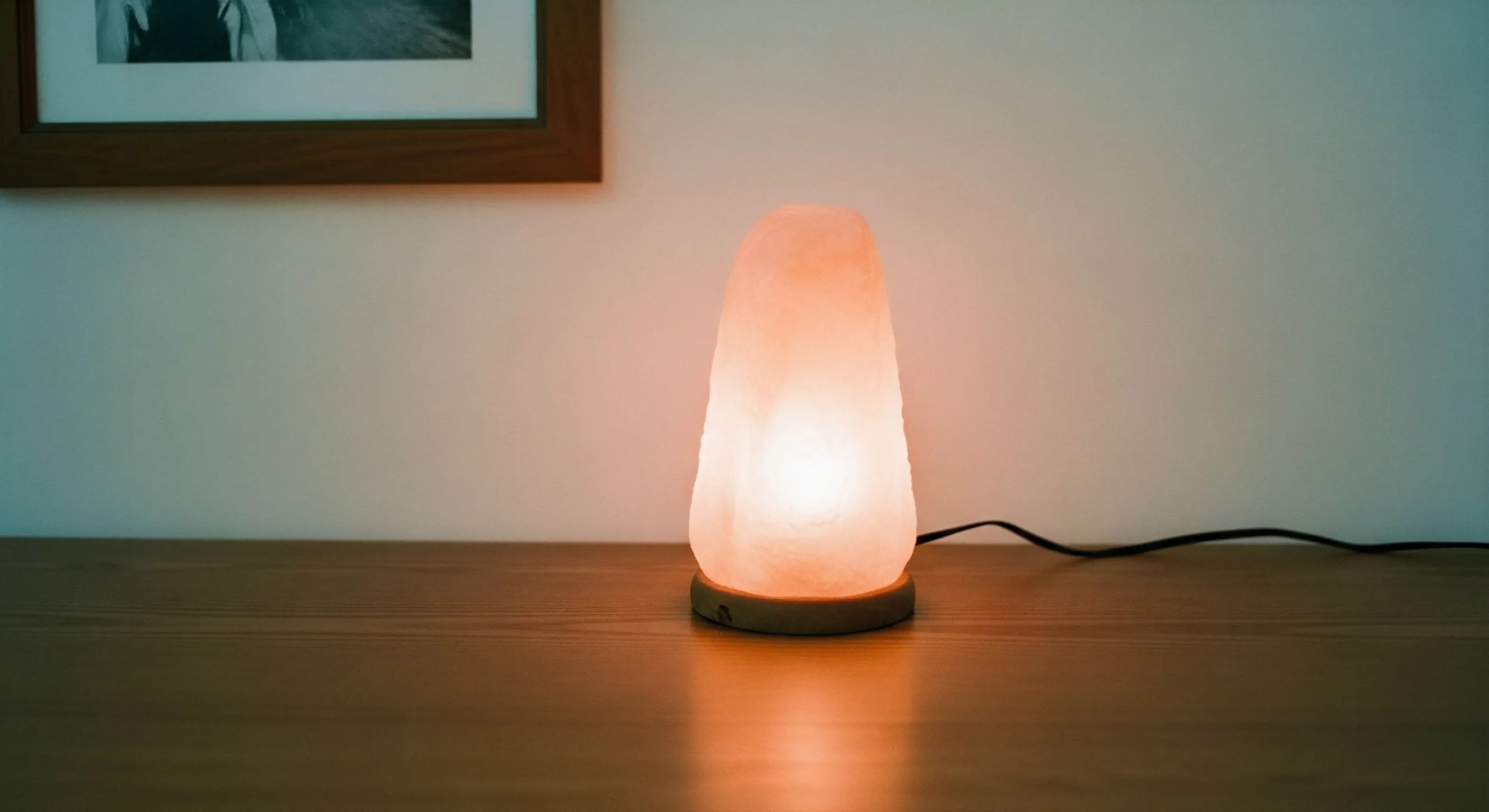
Sunlight and Light Therapy
Getting morning sunlight or using a daylight lamp is especially important during winter for those who struggle with seasonal depression. Just 10–30 minutes of bright light after waking can noticeably improve focus, calm, and sleep.
Why It WorksMorning light tells your brain it’s time to wake up, which reduces melatonin and increases serotonin and dopamine. This helps stabilize mood, improve sleep cycles, and lower stress. Light therapy lamps mimic natural daylight for people who don’t get enough sun.
- Improves mood, focus, and sleep
- Easy to add to morning routines
- Works even on cloudy days with a lamp
- Light therapy lamps cost money
- Can cause mild headaches if too close or bright
- Evening use may interfere with sleep
Visit Your Favorite Nature Spot Weekly
Many people find that visiting the same peaceful outdoor place once a week—a park bench, trail, lake, or quiet spot—becomes a simple but powerful mental reset. Having one familiar place to return to brings consistency, calm, and perspective when life feels chaotic.
Why It WorksNature lowers stress hormones, helps you slow down, and grounds you in the present. Visiting the same spot adds emotional stability—it becomes your “anchor” where you can reflect, breathe, and recharge.
- Builds routine and emotional stability
- Reduces stress and clears mental clutter
- Free, flexible, and easy to adapt
- Requires access to nature
- May feel emotional at first if you’re used to constant distraction
- Requires setting aside time regularly

Gardening or Caring for Plants
Tending to plants—whether a few houseplants on a windowsill or a small garden outside—is one of the most grounding, mood-lifting habits people use to manage anxiety and depression. It adds gentle structure, sensory calm, and a daily reminder that growth takes patience.
Why It WorksPlant care creates routine and focus while reconnecting you with something living. The tactile act of watering, touching soil, or watching new growth shifts attention from rumination to the present moment. Seeing plants thrive also builds quiet confidence and a sense of progress.
- Reduces stress and rumination
- Builds gentle daily structure and purpose
- Provides sensory and visual calm
- Dead plants can trigger frustration or guilt
- Needs light and space
- Can be costly

Taking a Dog to the Park
Spending time with dogs outdoors—walking your own or a friend’s (or a shelter dog!)—combines movement, sunlight, and companionship in one powerful mental health boost. It’s a simple, joyful way to reduce anxiety, ease depression, and feel connected again.
Why It WorksDogs naturally pull you into the present moment. Walking or playing with them gives structure, gentle exercise, and unconditional affection. The outdoor time adds sunlight and social contact—both proven mood-lifters—while caring for a dog adds purpose and responsibility that keep you moving forward.
- Combines exercise, sunlight, and companionship
- Reduces anxiety and loneliness
- Encourages routine and outdoor time
- Dog ownership adds responsibility
- Dog parks can be overstimulating
- Not accessible to everyone (allergies, housing rules, cost)

Creative Outlets
Drawing, Painting, or Sculpting (Without Perfection)
Making art with no pressure to be good—doodling, abstract painting, messy journaling, or clay—helps release emotions, quiet overthinking, and create calm. The focus is expression, not results.
Why It WorksCreative movement externalizes feelings and slows the nervous system. Repetitive motions and color choices create a flow state that reduces rumination (repetitive, obsessive dwelling on negative thoughts, past mistakes, or problems). Letting go of “doing it right” builds self-compassion and emotional regulation.
- Reduces anxiety and mental noise
- Processes emotions without words
- Cheap, flexible, no skill required
- Perfectionism can block enjoyment
- Can surface difficult emotions
- Motivation may dip during depression

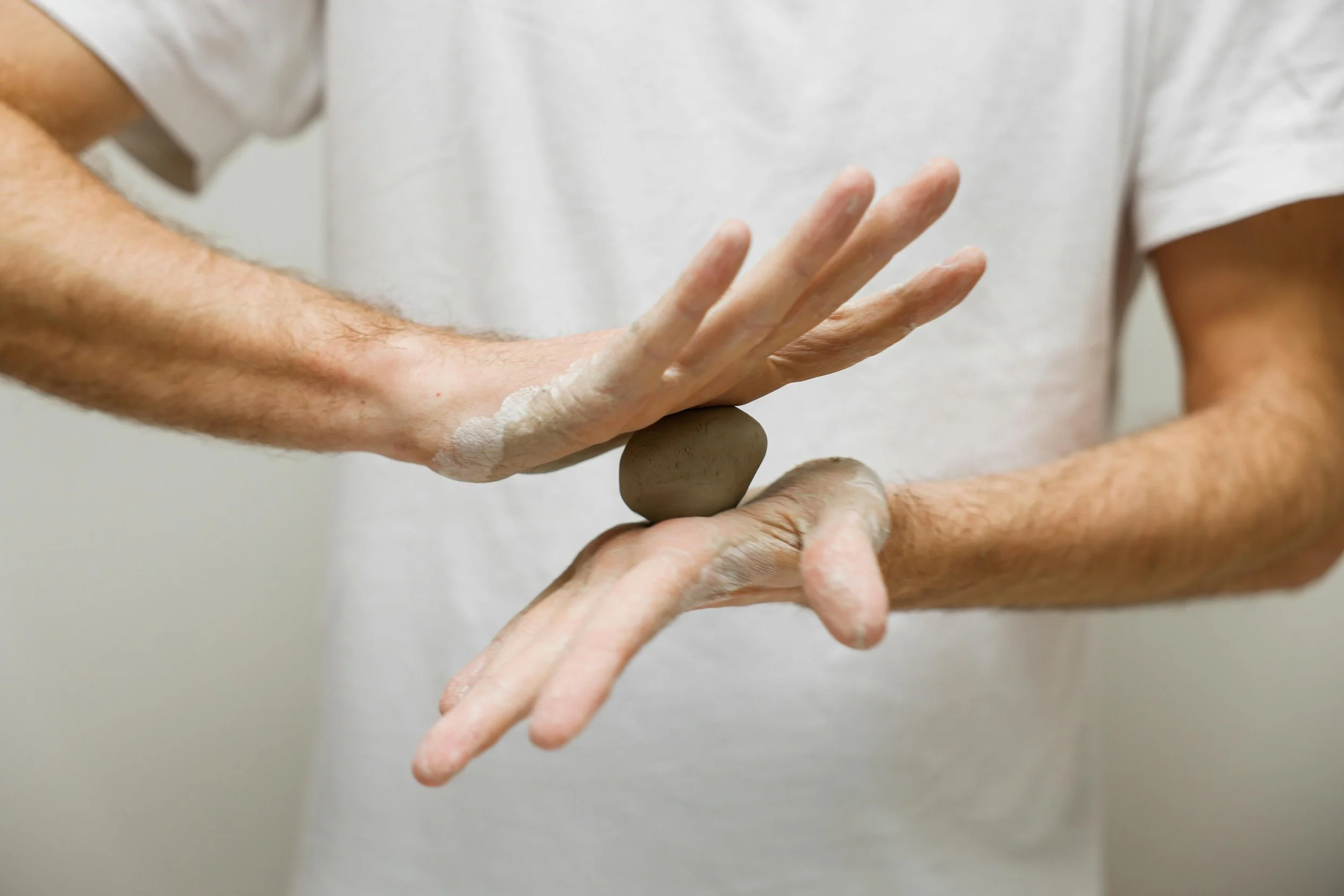
Pottery & Clay Modeling
Working with clay—hand-building, wheel throwing, or simple at-home modeling—is a tactile, grounding practice. The focus isn’t the finished piece, but shaping, pressing, and staying present with what your hands are doing.
Why It WorksClay forces full-body attention. The resistance, texture, and slow movements pull you out of rumination, regulate breathing, and release physical tension. Repetition creates a calm flow state, while imperfection teaches letting go.
- Strong grounding through touch
- Reduces anxiety and mental looping
- Builds focus, patience, and confidence
- Can be messy and slightly physical
- Studio access can cost money
- Perfectionism can cause frustration
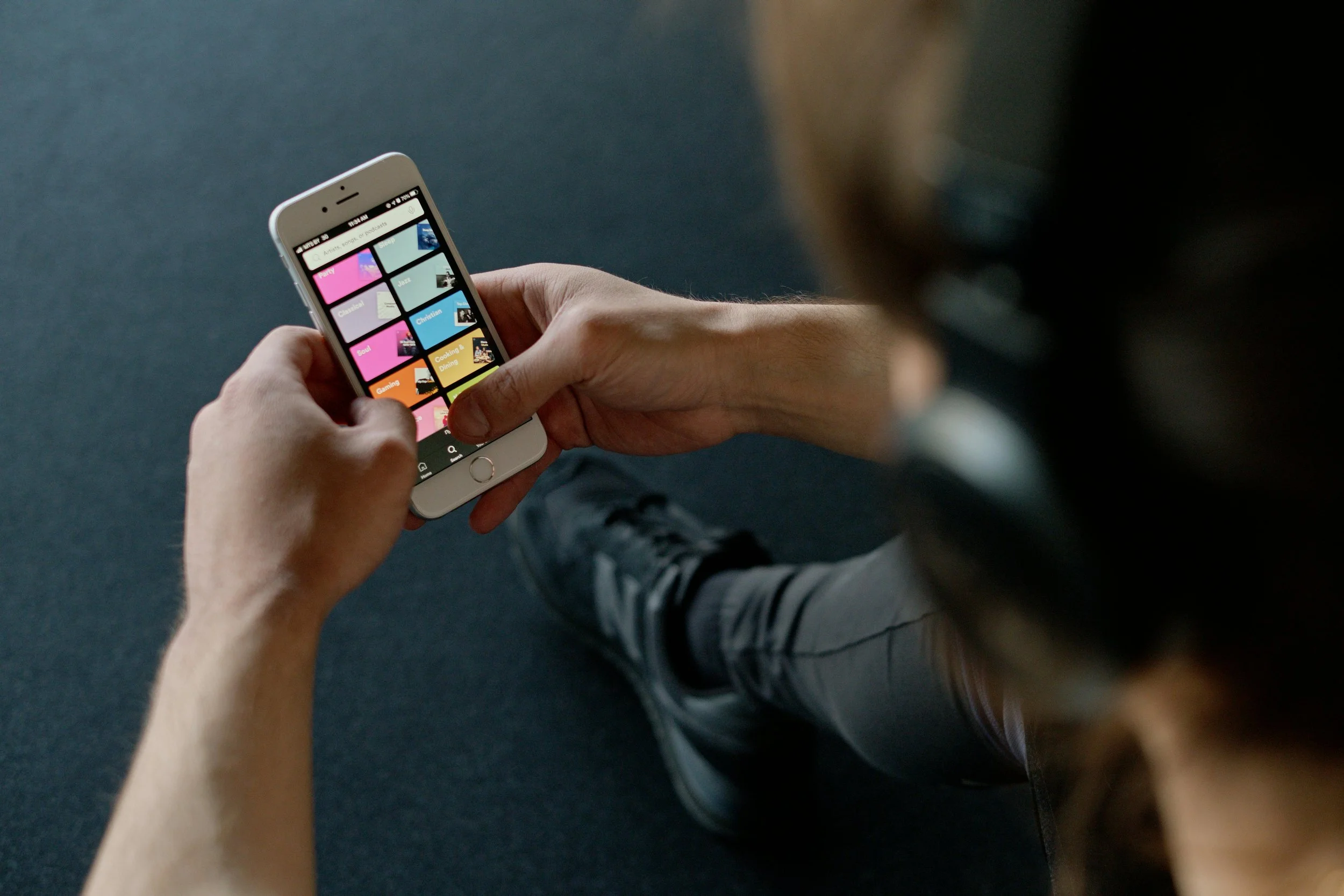
Making Mood-Based Music Playlists
Creating playlists that match your emotional state—sad, overwhelmed, calm, angry, hopeful— and using them intentionally to process or shift how you feel. It’s about curating rather than passive listening.
Why It WorksMusic validates emotion without forcing change. Matching your mood helps you feel understood; sequencing songs helps guide emotions gently. The act of curating builds awareness and gives structure to feelings that can be hard to name.
- Helps process emotions safely
- Reduces loneliness and rumination
- Easy, free, and deeply personal
- Staying too long in sad playlists can deepen low mood
- Certain songs can trigger memories
- Over-curating can become another perfection trap
Crocheting, Knitting, or Sewing
Fiber crafts like crochet, knitting, and sewing use slow, repetitive hand movements to calm the mind. Simple projects like scarves, squares, or repairs are certainly enough. The goal is rhythm and comfort, not craftsmanship.
Why It WorksRepetition regulates the nervous system. Counting stitches or following simple patterns occupies attention just enough to quiet anxious loops. Creating something tangible restores a sense of progress and control during low moods.
- Anxiety relief through repetition
- Builds focus, patience, and self-worth
- Portable, low-cost, and comforting
- Learning curve can frustrate perfectionists
- Hand or wrist strain if overdone
- Motivation dips can stall projects

Writing Poetry, Short Stories, or Song Lyrics
Expressive writing—poetry, short fiction, or lyrics—is used as a private outlet to put thoughts and emotions into words. It’s usually unedited, not shared, and written for relief rather than quality. Many people write when emotions feel too big, confusing, or stuck.
Why It WorksWriting turns vague emotional pressure into something concrete. Once feelings are on the page, they’re easier to understand and less overwhelming. The act of choosing words also slows the mind, which helps interrupt anxiety spirals and emotional overload.
- Helps process anxiety, grief, anger, and numbness
- Builds self-awareness and emotional insight
- Completely free, private, and always available
- Can feel intense if it brings up old wounds
- Hard to start during deep depression
- Easy to overanalyze instead of release

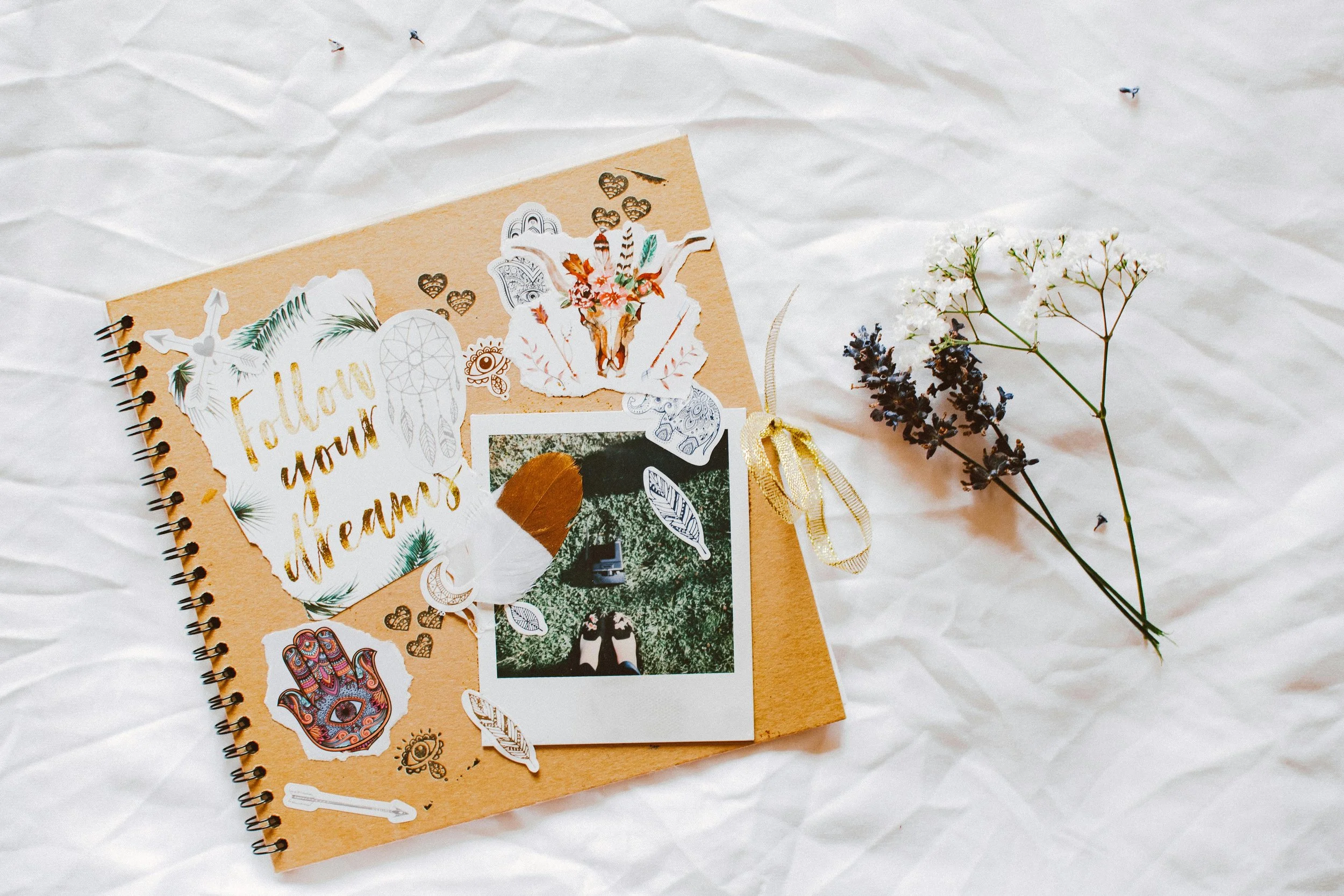
Making Collages or Scrapbooks
Collage-making and scrapbooking use cutting, arranging, and gluing images, words, and textures to express how you feel or what you hope for. There’s no drawing skill required—it’s about assembling pieces vs. creating from scratch.
Why It WorksCollages externalize emotion visually. Turning scattered thoughts into a physical layout creates a sense of order and control. The hands-on process also grounds attention, which reduces anxiety and mental noise.
- Emotional expression without needing words
- Low pressure—impossible to do “wrong”
- Especially helpful for those who struggle with writing
- Mess and setup may feel overwhelming
- Perfectionism can sneak in with layouts
- Less effective if rushed instead of exploratory
Learning Digital Art or Photography
Digital art and photography are used as visual mindfulness practices—drawing on a tablet, editing photos, or taking intentional photo walks. The focus isn’t on talent or gear, but on observing light, color, shape, and the present moment.
Why It WorksBoth practices redirect attention outward. Focusing on composition or editing replaces rumination with intentional concentration, while training the brain to notice detail and beauty (things depression and anxiety often dull).
- Concentration disrupts overthinking
- Encourages getting outside and moving
- Rebuilds ability to notice beauty and meaning
- Can feel like an impossible effort during deep depression
- Easy to turn into performance instead of presence
- Requires access to tools and gear

Cooking or Baking New Recipes
Cooking and baking are used as hands-on, sensory self-care. People follow simple recipes, try one new dish a week, or bake comfort foods. The focus isn’t perfection, but showing up, following steps, and finishing something tangible.
Why It WorksRecipes provide structure when thinking feels hard. Cooking engages smell, touch, taste, and sound, which grounds attention in the present. Finishing a meal creates a clear reward, reinforcing competence and self-care.
- Clear structure and start-to-finish completion
- Provides immediate, tangible reward
- Encourages routine and nourishment
- Can feel impossible on low-energy days
- Requires groceries, cleanup, and planning
- Loneliness can surface when cooking by yourself

Lifestyle & Routine
Cleaning One Small Area Each Day
This habit focuses on cleaning one small, defined space per day—a desk corner, sink, nightstand, or pile of clothes. The goal isn’t a spotless home, but consistent, visible progress.
Why It WorksCleaning creates immediate, physical proof that your actions matter. Order in your environment reduces cognitive load, lowers background stress, and gives the brain a clear “before and after” signal that restores a sense of control.
- Reduces anxiety and visual clutter
- Builds momentum through small wins
- Adds gentle movement and routine
- Can feel impossible during depression
- Perfectionism can turn it into pressure
- Energy and executive function vary day by day

Keeping a Consistent Sleep Routine (No Phone Before Bed)
This habit centers on going to bed and waking up at roughly the same time every day—and putting your phone away 30–60 minutes before sleep. The goal isn’t perfect sleep, but a predictable rhythm your brain can trust.
Why It WorksSleep regulates mood, anxiety, and stress hormones. Removing late-night phone use reduces overstimulation and blue-light disruption, allowing your nervous system to power down instead of staying in “alert mode.”
- Reduces anxiety and emotional reactivity
- Improves mood stability and focus
- Enhances effectiveness of other mental health habits
- Hard to break doomscrolling habits
- Takes days or weeks to retrain sleep cycles
- Difficult for shift workers or chronic insomniacs

Eating Nutritious Meals & Staying Hydrated
This activity focuses on eating regular, balanced meals and drinking enough water each day—not dieting or eating “perfectly.” Consistency matters over quality here, so use simple foods to keep energy, mood, and focus steady.
Why It WorksFood and water directly affect blood sugar, brain chemistry, and stress hormones. When your body is underfueled or dehydrated, anxiety and low mood worsen—often masquerading as “mental” problems.
- Stabilizes mood and reduces anxiety spikes
- Improves energy, focus, and emotional resilience
- Strengthens routine and self-care habits
- Appetite can be low during depression
- Requires planning or reminders to stay consistent
- Easy to overthink or feel guilty about food choices

Magnesium Glycinate Before Bed
This practice involves taking magnesium glycinate in the evening (usually 30–60 minutes before sleep) to support relaxation, sleep quality, and nervous system calm. Magnesium glycinate is not a sedative; rather, it simply helps the body settle into rest more easily.
Why It WorksMagnesium helps calm the nervous system and support GABA activity, which helps reduce overstimulation. It can help ease physical tension (like a tight jaw, shoulders, or restless legs), with mental calm following.
- Gentle, non-habit-forming
- Supports sleep and relaxation without sedation
- Affordable and widely available
- Too much can cause GI issues (start low)
- Not a replacement for therapy or prescribed medication
- Check with your doctor first

Limiting Smartwatch & Fitness Tracker Use
This practice means reducing or pausing use of smartwatches and fitness trackers when constant metrics (steps, sleep scores, calories) start increasing anxiety, guilt, or obsessive behaviors instead of helping.
Why It WorksSmartwatches and fitness trackers can make you feel like your self-worth depends on numbers. Limiting data can help reduce self-criticism, break compulsive checking, and helps you reconnect with your body’s cues instead of daily scores.
- Reduces perfectionism and self-judgment
- Restores intuitive body awareness
- Improves relationship with exercise and rest
- May cause you to lose structure or motivation at first
- Requires trusting internal cues over external data
- Can make it harder to stay consistent with movement or routines

Volunteer Locally or Help a Neighbor
Volunteering or helping a neighbor involves small, real-world acts—like walking shelter dogs, helping with groceries, or joining community cleanups—that create connection, purpose, and gentle structure during hard mental health periods.
Why It WorksHelping others shifts attention outward, reduces isolation, builds self-worth, and provides evidence that you matter. Even small acts trigger purpose, gratitude, and social connection—key buffers against depression and anxiety.
- Builds purpose and meaning during depressive lows
- Reduces loneliness through low-pressure social connection
- Boosts self-worth by showing your actions matter
- Can feel emotionally heavy (especially shelters or crisis-related causes)
- Social anxiety may make starting difficult
- Overcommitting can lead to burnout if boundaries aren’t strong

Plan Mini Adventure Days (Low-Pressure Outings)
Mini adventure days are short, simple outings—like trying a new cafe, walking a different park, visiting a museum, or browsing a local event. These mini adventures are small breaks from routine, not big trips or productions.
Why It WorksThese outings add novelty and movement without overwhelm. Even a 20–30 minute change of scenery can interrupt depressive sameness and anxious overthinking.
- Lifts mood through novelty and movement
- Builds confidence leaving the house
- Creates something to look forward to
- Anxiety may resist at first
- Requires planning and getting out the door
- Can be draining if overplanned or forced

How We Selected These Activities
Our team analyzed over 500 peer-reviewed studies from sources including the National Institute of Health (NIH), NHS, and American Psychological Association. We prioritized activities that meet three criteria:
Accessibility: Can be done with little to no cost.
Efficacy: Proven to reduce stress biomarkers (like cortisol).
Simplicity: Easy to learn without professional training.
Frequently Asked Questions
What are some free mental wellness activities?
The best things in life are free! Meditation, walking in nature, gratitude journaling, and connecting with a friend cost nothing but time. Libraries offer free books for bibliotherapy, and YouTube has thousands of free yoga classes.
How do I motivate myself when I’m depressed?
Start smaller than you think. Instead of “doing yoga,” commit to “rolling out the mat.” Instead of “cleaning the house,” commit to “picking up one sock.” These micro-wins release dopamine and can build momentum without overwhelming you.
Can these activities replace therapy or medication?
No. Wellness activities are supplemental tools for maintenance and resilience. If you are experiencing persistent sadness, anxiety, or trauma, please consult a licensed mental health professional.
The Best Activity Is the One You Actually Do
You don’t need to do each of these activities. Pick one from the list above today. Start small, be consistent, and watch your mental well-being transform one day at a time.
Medical Disclaimer: The content on this page is for informational purposes only and does not constitute medical advice, diagnosis, or treatment. Always seek the advice of your physician or other qualified health provider with any questions you may have regarding a medical condition.